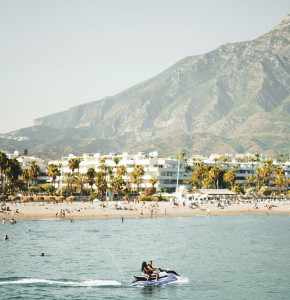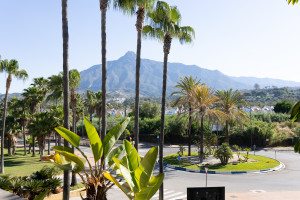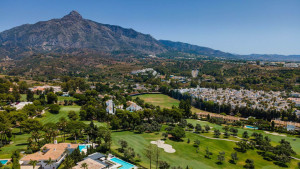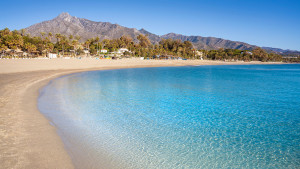
Marbella is stepping into a new hospitality season marked by a mix of high-profile restaurant openings, refreshed beach clubs, and the long-awaited return of one of its most iconic hotels. From the Golden Mile to nearby Estepona, the coastline is seeing a clear shift toward more experience-led venues that blend dining, lifestyle, and entertainment in a single setting. This wave of openings reflects both international investment and the continued evolution of Marbella as a luxury destination that balances tradition with modern leisure culture.

La Petite Maison at Puente Romano
brings a refined French Mediterranean concept inspired by the Côte d’Azur, particularly the cuisine of Nice. The restaurant places strong emphasis on fresh, seasonal produce and a menu built around simplicity and sharing. Guests can expect light starters, vibrant salads, and expertly prepared grilled fish and meats, all designed for relaxed, social dining.
The space itself mirrors the brand’s signature style—elegant but not formal, bright and airy, with a strong connection between indoor and outdoor seating that suits Marbella’s year-round climate. It fits seamlessly into Puente Romano’s established dining scene, adding another layer of international flair.

Sabine Beach
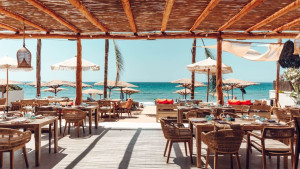
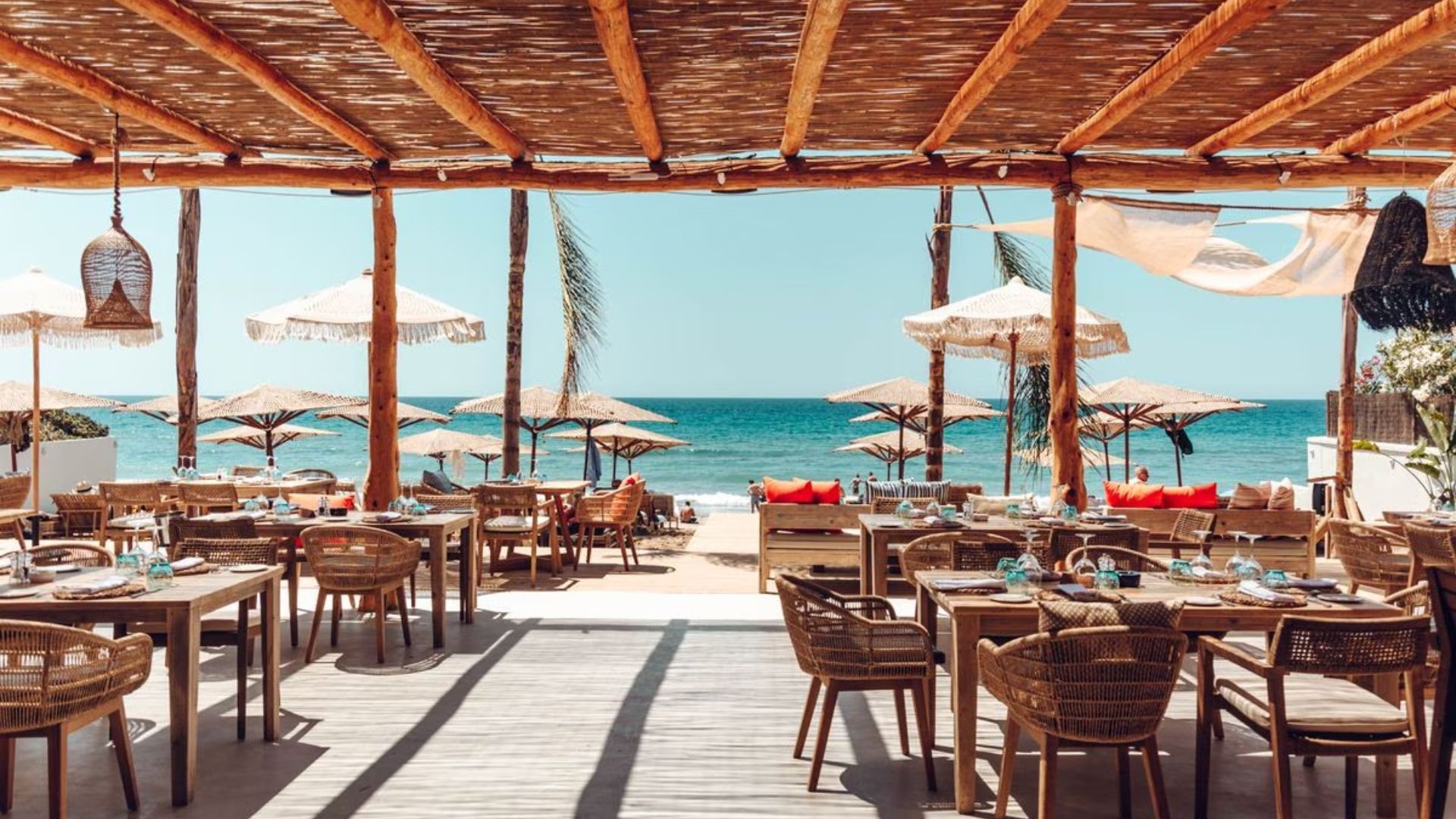
Offers a more understated and natural approach to beachside living. Positioned directly on the coast, it combines restaurant, bar, and beach club elements into a single, open environment that prioritises simplicity and comfort.
The design focuses on natural light, open views of the sea, and an atmosphere that encourages long, unhurried stays. Its menu is rooted in Mediterranean cuisine, with an emphasis on fresh seafood, seasonal ingredients, and light dishes suited to daytime dining. Subtle DJ sets provide a gentle soundtrack that enhances the mood without overpowering it, creating a space that feels calm, social, and easygoing from morning through sunset.

Don Carlos Marbella
in Elviria represents one of the most significant reopenings on the coast. First established in 1969, the hotel has long been associated with Marbella’s early reputation as a luxury Mediterranean destination.
Set within extensive beachfront grounds, it was a landmark for international travellers for decades. After closing in 2022 for a major redevelopment valued at over €43 million, the property has now reopened with a renewed identity. The renovation has modernised its interiors, services, and overall guest experience while preserving its historic setting and sense of place.
Its return is particularly important for Marbella East, an area that continues to attract investment and grow as a hospitality and residential hub.

Sea Grill
returns this season with a refreshed concept that places it once again among the standout dining venues in Puente Romano. More than just a redesign, the new direction focuses on a slower, more thoughtful and product-driven experience.
Within the landscape of new restaurants in Marbella, Sea Grill stands out for its emphasis on fresh, high-quality ingredients, particularly seafood, all set in a privileged beachfront location.
It’s the ideal setting for long lunches or relaxed dinners, where the Mediterranean is not just the backdrop, but part of the experience. A concept that perfectly reflects Marbella’s more refined and effortless approach to luxury.

Nube Beach Club
located in nearby Estepona, takes a more ambitious approach to the beach club concept by offering a full-day lifestyle destination. The venue is designed with soft natural tones, open layouts, and a variety of spaces that cater to different moments of the day. It includes a beach club, pool areas, a Mediterranean restaurant, a terrace, and even entertainment-focused spaces such as a karaoke lounge and nightclub.
The experience is intentionally layered: mornings and early afternoons are calm and relaxed, with sunbeds and a fresh, seafood-driven menu, while evenings gradually shift toward a livelier atmosphere with music, cocktails, and social energy.
Overall, these new additions highlight how Marbella’s hospitality scene is becoming increasingly diverse and experience-driven. Rather than focusing solely on traditional dining or accommodation, many of the newest venues combine multiple concepts—restaurant, beach club, entertainment, and lifestyle—into a single space. At the same time, the reopening of established icons like the Don Carlos shows that Marbella’s appeal is not only about new trends but also about preserving and reinventing its legacy. Together, these developments reinforce the city’s position as one of Europe’s most dynamic and evolving coastal destinations.