




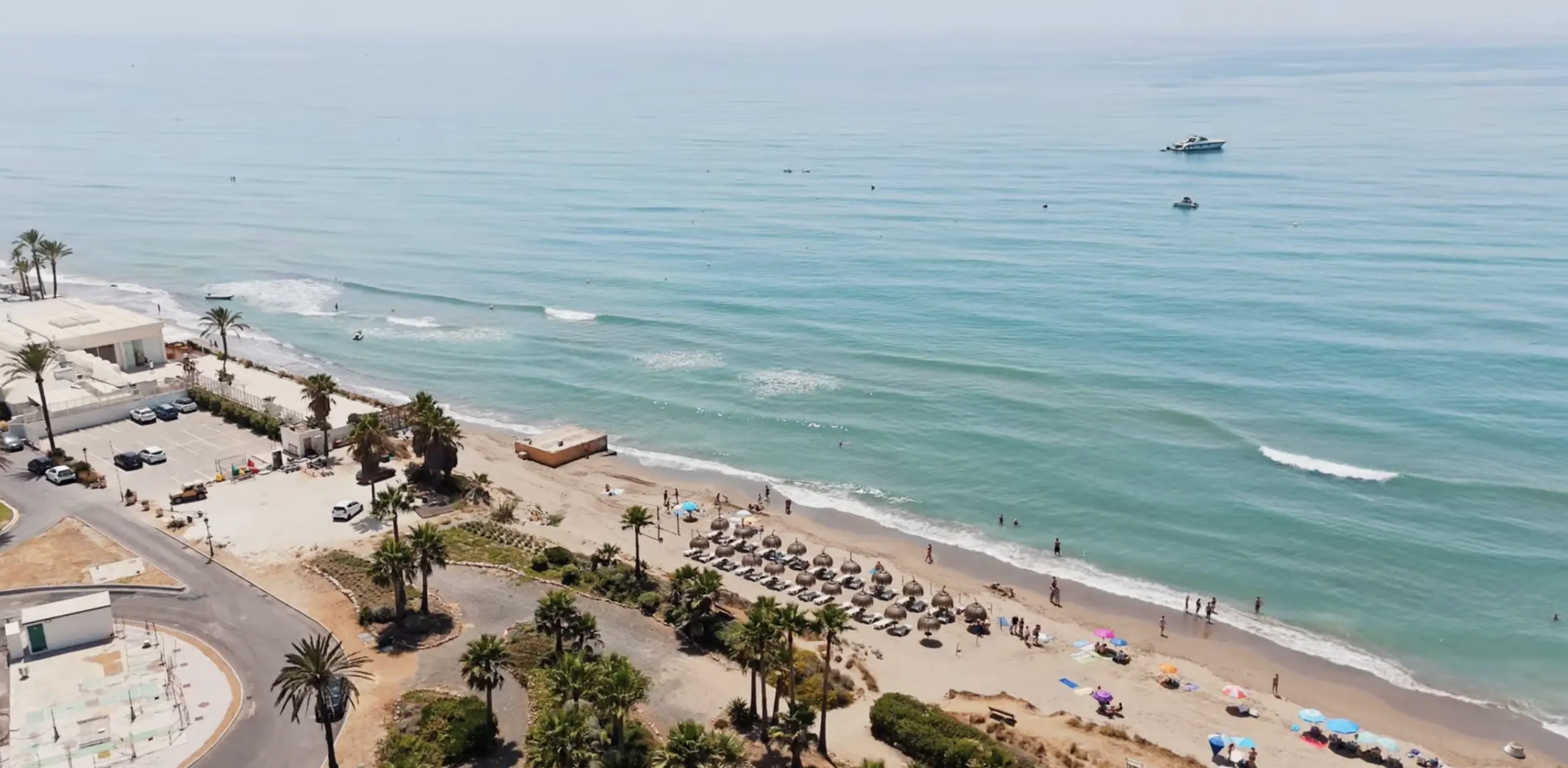

A Tranquil Retreat Revealed by 3SA EstatesNestled on the eastern edge of Marbella lies the serene Cabopino Beach, a secluded paradise known for its crystal-clear waters, soft golden sands, and lush surrounding greenery. At 3SA Estates, we cherish this hidden gem for its peaceful ambiance and natural beauty, making it our go-to retreat after a busy workday or for a tranquil morning away from the bustling city life. Join us as we explore the unique features and activities that make Cabopino Beach the ideal destination for those seeking solitude and natural splendor.A Stunning LocationCabopino Beach, set in the beautiful Dunas de Artola nature reserve, spans 1,200 meters of pristine coastline. It is flanked by ancient dunes and rich vegetation, offering a backdrop that contrasts dramatically with the usual bustling tourist spots. This beach is not only a place to relax but also a gateway to exploring the area’s natural and historical landmarks, including a quaint marina that adds a touch of Mediterranean charm.The Wooden PathsOne of Cabopino’s most distinctive features is its network of wooden paths that meander through the dunes. These paths are designed to protect the natural landscape while offering visitors a chance to explore the area without disturbing the delicate ecosystem. As you walk these paths, you’re treated to stunning views of the sea and the lush greenery, making for a perfect photographic opportunity or a peaceful stroll.Historical WatchtowerDominating the landscape near the beach is an ancient watchtower, a historical sentinel that harks back to times when pirates frequented these coasts. This tower is part of a network that was used for centuries to signal the approach of invaders. Today, it stands as a poignant reminder of the region’s rich history, offering visitors a glimpse into the past.Ideal for Picnics and SunsetsThough Cabopino Beach lacks conventional picnic

Exploring The UAE: Jimmy Widen’s Week In Dubai And Abu Dhabi
This month, 3SA Estate is taking its international perspective to the UAE, a Founder and CEO Jimmy Widen heads to Dubai and Abu Dhabi for a week of meetings, property tours and first-hand exploration of some of the region’s most exciting new developments.With the UAE continuing to attract international buyers looking for luxury residences, investment opportunities and a lifestyle-driven approach to property, the trip will offer Jimmy the opportunity to experience several notable off-plan projects and connect with the local real estate market.During the visit, Jimmy will tour three developments in particular: Yas Riva Reserve and Marsa Al Saadiyat, both by Aldar, as well as Wadeem Gardens by MODON. Yas Riva Reserve — AldarLocated on Yas Island in Abu Dhabi, Yas Riva Reserve is an upcoming residential development by Aldar. The project forms part of the wider Yas Island destination, known for its entertainment, leisure and lifestyle offering.For international buyers, Yas Island represents an increasingly established residential destination, combining contemporary homes with access to the island’s extensive amenities and attractions. Jimmy’s visit will provide an opportunity to explore the development in person and gain a closer understanding of what it offers to prospective buyers. Marsa Al Saadiyat — AldarAnother highlight of the trip will be Marsa Al Saadiyat, an Aldar development located on Saadiyat Island, one of Abu Dhabi’s most recognised cultural and lifestyle destinations.The wider Saadiyat Island area is home to an impressive collection of cultural institutions, beaches, hospitality and residential communities. Within the development, TALAY and TALAY Beach offer a residential proposition centred around contemporary coastal living.Jimmy will be visiting the development as part of his UAE tour, exploring the residences, setting and wider lifestyle offering first-hand. Wadeem Gardens The third development on the itinerary is Wadeem Gardens, a residential project by MODON.Located within Abu Dhabi’s expanding residential landscape, the development forms part of the city’s ongoing evolution as an international destination for luxury living and property investment. Jimmy will visit Wadeem Gardens to experience the project first-hand and explore its potential from the perspective of international buyersMeeting The 3SA Estate Dubai TeamThe trip will also be an opportunity for Jimmy to spend time with Daniel and Victor, members of the 3SA Estate team in Dubai, and strengthen the connection between the Marbella and UAE markets Daniel Sneesby Real Estate Broker Daniel brings several years of experience in luxury real estate across Dubai, having worked with buyers and sellers in some of the city’s most established communities, including Palm Jumeirah, Jumeirah Golf Estates, Al Barari and Emirates Hills.Before joining 3SA Estate, Daniel worked with Omniyat, representing some of the region’s leading ultra-luxury and branded residences. His background also includes a Law degree in the UK and an earlier career in the maritime industry, where he brokered deals between shipowners and charterers involved in global cargo transportation.Having made Dubai his home, Daniel combines extensive local market knowledge with a highly personal approach to client advisory, focusing on helping clients find properties that complement the way they want to live. Victor Lindgren Real Estate Broker Victor is a Swedish real estate advisor with more than seven years of experience in the Dubai market, specialising in both residential property and investment. Fluent in English and Swedish,he has developed extensive knowledge of established Dubai communities including Palm Jumeirah, Emirates Hills, Jumeirah Golf Estates and Al Barari.Known for his straightforward and detail-oriented approach, Victor focuses on building long-term relationships based on trust, transparency and consistent service.From Marbella To The UAEFor 3SA Estate, the UAE visit is another step in developing an increasingly international perspective on luxury real estate.Marbella and Dubai may be separated by thousands of kilometres, but both markets attract international buyers looking beyond property alone — towards lifestyle, location, quality and long-term value.Jimmy’s week in Dubai and Abu Dhabi will offer an opportunity to explore these connections first-hand, discover new developments and gain a deeper understanding of the opportunities available to international buyers.Interested in property in Dubai or Abu Dhabi?Whether you are considering a new-build investment, looking for a second home in the UAE, or simply want to understand more about the market, contact Jimmy Widen at 3SA Estate to discuss the latest opportunities and find out how our international network can assist you.


